




What are the wear - resistance properties of a Compliant Seal?
 Nov 03, 2026|
Wear-resistance is a crucial factor in the performance and longevity of seals, especially in industrial applications where they are exposed to harsh conditions. As a supplier of Compliant Seals, I understand the importance of these properties and how they can impact the efficiency and reliability of various systems. In this blog, we will explore the wear-resistance properties of Compliant Seals, their significance, and how they compare to other types of seals.
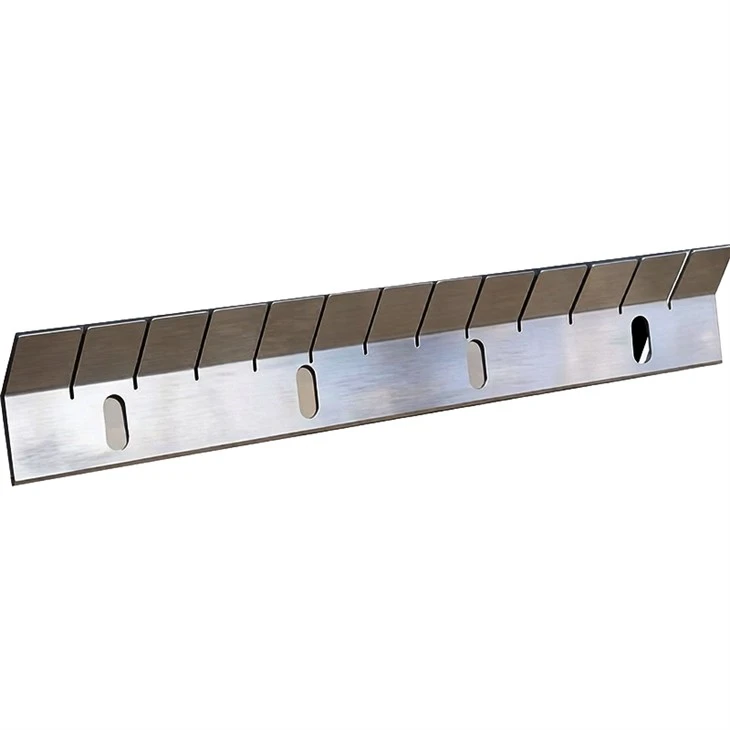

Understanding Compliant Seals
Compliant Seals are designed to adapt to irregular surfaces and dynamic movements, providing a reliable sealing solution in challenging environments. They are made from flexible materials that can conform to the shape of the mating surfaces, ensuring a tight seal even under varying conditions. These seals are commonly used in applications such as air preheaters, where they help to prevent air leakage and improve energy efficiency. You can learn more about Compliant Seals on our Compliant Seal page.
Wear-Resistance Properties of Compliant Seals
The wear-resistance properties of Compliant Seals are determined by several factors, including the material composition, design, and operating conditions. Here are some key aspects that contribute to their wear resistance:
Material Selection
The choice of material is critical in determining the wear resistance of a Compliant Seal. High-quality elastomers and polymers are often used due to their excellent durability and resistance to abrasion. These materials can withstand the friction and wear caused by continuous contact with the mating surfaces, ensuring a long service life. For example, some Compliant Seals are made from silicone rubber, which offers good resistance to heat, chemicals, and wear.
Design Features
The design of a Compliant Seal also plays a significant role in its wear resistance. Features such as reinforced edges, smooth surfaces, and proper sealing profiles can help to reduce friction and wear. Additionally, the seal's ability to adapt to the shape of the mating surfaces can prevent excessive stress and wear, ensuring a more uniform distribution of forces. For instance, a well-designed Compliant Seal may have a tapered or rounded edge to minimize contact pressure and reduce wear.
Operating Conditions
The operating conditions in which a Compliant Seal is used can have a significant impact on its wear resistance. Factors such as temperature, pressure, speed, and the presence of contaminants can all affect the seal's performance. For example, high temperatures can cause the seal material to degrade, while high pressures can increase the friction and wear. In addition, the presence of abrasive particles or chemicals can accelerate the wear process. Therefore, it is important to select a Compliant Seal that is suitable for the specific operating conditions.
Significance of Wear Resistance in Compliant Seals
The wear resistance of Compliant Seals is of utmost importance in industrial applications for several reasons:
Extended Service Life
A wear-resistant Compliant Seal can provide a longer service life, reducing the need for frequent replacement. This not only saves time and money but also minimizes downtime and disruptions to the production process. For example, in an air preheater, a wear-resistant seal can prevent air leakage and improve energy efficiency, resulting in significant cost savings over time.
Improved Performance
Wear-resistant seals can maintain their sealing performance over a longer period, ensuring a reliable and efficient operation. They can prevent leaks, reduce friction, and improve the overall efficiency of the system. For instance, in a rotating equipment, a wear-resistant seal can prevent the leakage of lubricants and contaminants, ensuring smooth operation and reducing the risk of damage to the equipment.
Cost Savings
By reducing the need for frequent replacement and maintenance, wear-resistant Compliant Seals can result in significant cost savings. They can also improve the energy efficiency of the system, reducing the operating costs. For example, in a power plant, a wear-resistant seal can prevent air leakage and improve the combustion efficiency, resulting in lower fuel consumption and reduced emissions.
Comparison with Other Types of Seals
Compliant Seals offer several advantages over other types of seals in terms of wear resistance. Here is a comparison with some common types of seals:
Radial Seals
Radial Seals are designed to seal against radial forces, typically in rotating applications. While they can provide a good seal, they may not be as flexible as Compliant Seals and may be more prone to wear. You can learn more about Radial Seals on our Radial Seal page.
Double Flexible Seals
Double Flexible Seals are designed to provide a more flexible and reliable seal, especially in applications where there is a significant amount of movement. However, they may be more complex and expensive than Compliant Seals. You can learn more about Double Flexible Seals on our Double Flexible Seal page.
Sector Plate Seals
Sector Plate Seals are used to seal the gaps between the sector plates in an air preheater. While they can provide a good seal, they may not be as wear-resistant as Compliant Seals. You can learn more about Sector Plate Seals on our Sector Plate Seal page.
Circumferential Seals
Circumferential Seals are designed to seal around the circumference of a shaft or a cylinder. They can provide a good seal, but they may not be as flexible as Compliant Seals and may be more prone to wear. You can learn more about Circumferential Seals on our Circumferential Seal page.
Conclusion
In conclusion, the wear-resistance properties of Compliant Seals are essential for their performance and longevity in industrial applications. By selecting the right material, design, and operating conditions, these seals can provide a reliable and efficient sealing solution. Compared to other types of seals, Compliant Seals offer several advantages in terms of wear resistance, flexibility, and cost savings.
If you are looking for a high-quality Compliant Seal for your application, we invite you to contact us for a consultation. Our team of experts can help you select the right seal for your specific needs and provide you with the best possible solution. We look forward to working with you to improve the efficiency and reliability of your systems.
References
- "Sealing Technology Handbook" by John H. Bickford
- "Industrial Seals and Their Applications" by Peter J. Schmitz
- "Materials Science and Engineering: An Introduction" by William D. Callister Jr.