




What is the effect of the thermal conductivity of the Radial Labyrinth Seal material on its performance?
 Nov 05, 2026|
Hey there! As a supplier of Radial Labyrinth Seals, I've spent a ton of time thinking about how different factors affect their performance. One key aspect that often doesn't get enough attention is the thermal conductivity of the seal material. In this blog, I'll dig into what impact the thermal conductivity of a Radial Labyrinth Seal material has on its performance.
First off, let's talk about what thermal conductivity actually is. Simply put, it's a measure of how well a material can transfer heat. A material with high thermal conductivity can move heat through it quickly, while a material with low thermal conductivity is a poor heat conductor. This property matters a whole lot when it comes to Radial Labyrinth Seals because they operate in some pretty extreme environments with high temperatures and pressure differences.
When we look at the performance of Radial Labyrinth Seals, there are several key factors that we're interested in: leakage rate, wear and tear, and overall efficiency. Let's see how thermal conductivity ties into each of these.
Leakage Rate
Leakage is a big deal in any sealing application. In a turbine or other high - pressure system, even a small amount of leakage can lead to a significant loss of energy and reduced performance. The thermal conductivity of the seal material can have a major impact on leakage rate.
When a Radial Labyrinth Seal is in operation, heat is generated due to friction between the rotating and stationary parts. If the seal material has high thermal conductivity, it can quickly transfer this heat away from the contact area. This helps in maintaining a more uniform temperature distribution across the seal. A uniform temperature means that there's less thermal expansion and contraction of the seal material. Thermal expansion can cause the seal to deform, creating gaps through which fluid can leak. So, by using a material with high thermal conductivity, we can keep the seal's shape more consistent and reduce the leakage rate.
On the flip side, if the material has low thermal conductivity, heat will build up in the contact area. This leads to uneven thermal expansion, which can distort the seal and increase the likelihood of leakage. In some cases, the excessive heat can even cause the material to melt or degrade, further exacerbating the leakage problem.
Wear and Tear
Another important performance factor is the wear and tear of the Radial Labyrinth Seal. Severe wear can shorten the seal's lifespan and increase maintenance costs. Thermal conductivity plays a role here too.
High - heat generation in the seal contact area can speed up the wear process. When a material has good thermal conductivity, it can dissipate the heat generated by friction. As a result, the temperature of the contact surface remains lower, and the wear rate is reduced. This is because lower temperatures can prevent the softening of the material, which would otherwise make it more prone to abrasion.
In contrast, a low - thermal - conductivity material traps heat in the contact zone. The high temperatures can cause the material to become softer, making it easier for particles and debris to abrade the surface. Over time, this can lead to significant wear and require more frequent replacement of the seal.
Efficiency
Efficiency is the holy grail in industrial applications. A well - performing Radial Labyrinth Seal can improve the overall efficiency of a turbine or other equipment. And thermal conductivity is a crucial player in this game.

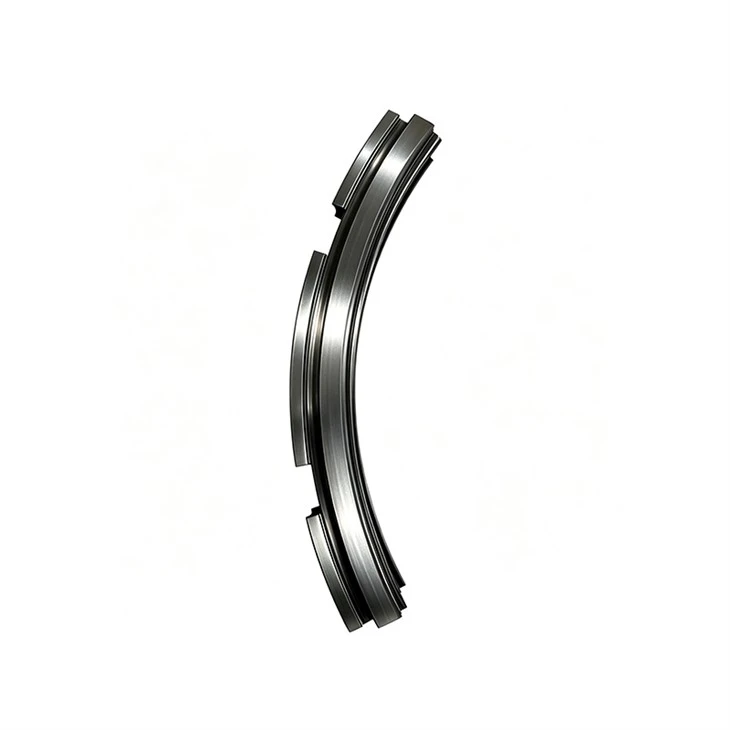
As we've already discussed, a seal with high thermal conductivity can reduce leakage and wear. Less leakage means that more of the fluid or gas stays within the system, which directly contributes to increased efficiency. Additionally, lower wear means that the seal maintains its integrity over a longer period of time, ensuring consistent performance.
On the other hand, a low - conductivity seal can lead to inefficiencies. The increased leakage and wear both take a toll on the system's performance, making it less efficient and increasing operating costs.
Now, let's talk about the different types of seal materials and their thermal conductivities. Different materials have varying levels of thermal conductivity, and each has its own pros and cons for use in Radial Labyrinth Seals.
Metals generally have high thermal conductivity. For example, copper and aluminum are excellent heat conductors. Using a metal - based Radial Labyrinth Seal can be a great option when you need to quickly dissipate heat. However, metals also have some drawbacks. They can be heavy, and they may not have the best corrosion resistance in some environments.
Ceramics, on the other hand, typically have lower thermal conductivity. But they are extremely hard and resistant to wear and corrosion. In applications where wear resistance is the top priority, a ceramic seal might be a good choice, even though it may not transfer heat as well as a metal.
Polymeric materials can have a wide range of thermal conductivities. Some polymers have fairly low thermal conductivity, but they offer benefits like being lightweight, easy to manufacture, and having good chemical resistance.
When choosing a Radial Labyrinth Seal material, it's important to strike a balance between thermal conductivity and other properties. You need to consider the specific operating conditions of your equipment, such as the temperature range, pressure, and the type of fluid or gas being sealed.
If you're already using a Radial Labyrinth Seal or considering purchasing one, you might be interested in checking out the other types of seals we offer. We have a Rear Cylinder Seal, which is suitable for specific applications where rear - end sealing is critical. Our Straight Brush Seal provides a different way of sealing, with the flexibility of brush bristles. And the Turbine Seal Ring Assembly is a comprehensive solution for turbine sealing needs. Of course, our Radial Labyrinth Seal is available in various materials, with different thermal conductivities to suit your requirements. We also offer a Circular Brush Seal for circular sealing applications.
In conclusion, the thermal conductivity of the Radial Labyrinth Seal material has a profound effect on its performance. It impacts the leakage rate, wear and tear, and overall efficiency of the seal. When you're in the market for a Radial Labyrinth Seal or any other type of seal, it's important to understand how thermal conductivity fits into the equation. If you have any questions or are interested in purchasing our seals, don't hesitate to reach out. We're here to help you find the best sealing solution for your needs. Let's start a conversation about how we can improve the performance of your equipment with our high - quality seals.
References
- Incropera, F. P., DeWitt, D. P., Bergman, T. L., & Lavine, A. S. (2007). Fundamentals of Heat and Mass Transfer. John Wiley & Sons.
- Kutz, M. (Ed.). (2005). Mechanical Engineers' Handbook: Materials and Mechanical Design. John Wiley & Sons.