




Can Triple Flexible Seal be painted over?
 Aug 17, 2026|
 As a supplier of Triple Flexible Seal, one question that I often get asked is, "Can Triple Flexible Seal be painted over?" It's a valid question, especially for those looking to enhance the aesthetic appeal of their projects or add an extra layer of protection. In this blog, I'll break down the ins and outs of painting over Triple Flexible Seal, sharing my insights based on years of experience in the industry.
Understanding Triple Flexible Seal
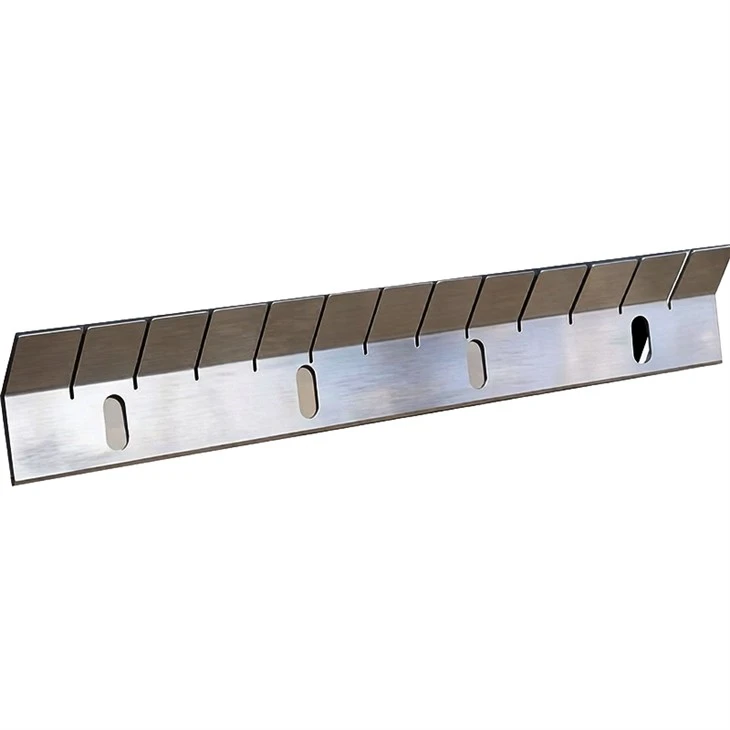
First off, let's get on the same page about what Triple Flexible Seal is. It's a high - performance sealing solution that offers excellent flexibility, durability, and resistance to various environmental factors. This type of seal is used in a wide range of applications, from industrial settings to residential projects. Whether it's sealing gaps in machinery, around windows and doors, or in air pre - heater systems, Triple Flexible Seal gets the job done.
The Science Behind Painting Over
When it comes to painting over any sealant, there are a few science - based factors to consider. The main thing is compatibility. The paint and the sealant need to play nice with each other. If they don't, you could end up with a mess, like the paint peeling off or the sealant losing its properties.
Triple Flexible Seal is designed to maintain its flexibility and adhesion over time. When you paint over it, the paint needs to be able to stretch and move with the sealant as it expands and contracts due to temperature changes. Otherwise, it will crack, which not only looks bad but can also compromise the seal's integrity.
Compatibility Testing
Before you go all in and paint a large area of Triple Flexible Seal, it's crucial to do a compatibility test. Here's how you can do it:
- Small Sample: Take a small piece of the Triple Flexible Seal and apply a thin layer of the paint you plan to use. Make sure to follow the paint manufacturer's instructions for application.
- Observation: Let the painted sample sit for a few days, preferably in an environment that mimics the actual location where the paint will be applied. Check for any signs of cracking, peeling, or discoloration.
If the sample looks good after the test period, chances are the paint and the sealant are compatible. But don't just rely on the visual inspection. You can also try gently stretching the sample to see if the paint stays intact.
Types of Paint Suitable for Triple Flexible Seal
Now, let's talk about what types of paint work well with Triple Flexible Seal.

- Acrylic Paints: These are a popular choice because they are flexible and have good adhesion. They also dry relatively quickly and are easy to clean up. Acrylic paints come in a wide range of colors, so you can choose one that matches your project's aesthetic.
- Silicone - based Paints: Silicone paints are known for their excellent weather resistance and flexibility. They can withstand extreme temperatures and are great for outdoor applications. However, they can be a bit more expensive than acrylic paints.
Preparation Steps
Proper preparation is key to a successful paint job over Triple Flexible Seal.
- Cleaning: First, clean the surface of the seal thoroughly. Remove any dirt, dust, grease, or debris. You can use a mild detergent and water, followed by a rinse and a thorough dry. Make sure the seal is completely dry before applying the paint.
- Primer: In some cases, using a primer can improve the adhesion of the paint to the seal. Look for a primer that is specifically designed for use on sealants or flexible surfaces. Apply the primer according to the manufacturer's instructions and let it dry completely.
Application Process
Once you've done the compatibility test, prepared the surface, and chosen the right paint, it's time to start painting.
- Brushing or Rolling: For small areas, a brush can give you more control. For larger areas, a roller might be more efficient. Make sure to apply the paint in thin, even coats. Multiple thin coats are better than one thick coat, as they are less likely to crack.
- Drying Time: Allow each coat of paint to dry completely before applying the next one. This can take anywhere from a few hours to a full day, depending on the type of paint and the environmental conditions.
Benefits of Painting Over Triple Flexible Seal
There are several benefits to painting over Triple Flexible Seal.
- Aesthetic Appeal: Painting can transform the look of a project. Whether it's a commercial building or a home renovation, a fresh coat of paint can make the seals blend in better with the surroundings or add a pop of color.
- Extra Protection: The paint can provide an additional layer of protection against UV rays, moisture, and other environmental factors. This can extend the lifespan of the seal and keep it looking good for longer.
Other Types of Seals in the Air - Preheater Context
In addition to Triple Flexible Seal, there are other seals commonly used in air - preheater systems. Check out the Circumferential Seal, Compliant Seal, and Sector Plate Seal. Each of these seals has its own unique features and applications, but the principles of painting over them are similar to those of Triple Flexible Seal.
Conclusion
So, can Triple Flexible Seal be painted over? The answer is yes, but with some precautions. By doing a compatibility test, choosing the right paint, preparing the surface properly, and following the correct application process, you can paint over Triple Flexible Seal successfully. Not only will it enhance the appearance of your project, but it can also provide extra protection.
If you're interested in purchasing Triple Flexible Seal or have any questions about painting over it, feel free to reach out. I'm here to help you make the best decisions for your sealing needs.
References
- Industry standards and guidelines for sealant painting
- Paint manufacturer's product specifications
- Years of hands - on experience as a Triple Flexible Seal supplier