




What are the requirements for the lubrication of turbine gland seal?
 Aug 24, 2026|
 What are the requirements for the lubrication of turbine gland seal?
As a trusted turbine gland seal supplier, I understand the critical role that proper lubrication plays in the efficient and reliable operation of turbine gland seals. In this blog post, we will delve into the essential requirements for the lubrication of turbine gland seals, exploring the factors that influence lubrication needs and the best practices to ensure optimal performance.
Understanding the Function of Turbine Gland Seals
Before we discuss the lubrication requirements, it is important to understand the function of turbine gland seals. Turbine gland seals are designed to prevent the leakage of steam or gas from the turbine shaft into the atmosphere or the ingress of air into the turbine casing. They are typically located at the ends of the turbine shaft and are subjected to high temperatures, pressures, and rotational speeds.
The primary function of the lubrication system in turbine gland seals is to reduce friction and wear between the rotating and stationary components. This helps to extend the service life of the seals, improve their sealing performance, and prevent damage to the turbine shaft and other components. In addition, lubrication helps to dissipate heat generated by friction, which is particularly important in high-speed applications.
Key Requirements for Lubrication
- Viscosity: The viscosity of the lubricant is one of the most important factors to consider when selecting a lubricant for turbine gland seals. The viscosity should be chosen based on the operating temperature, pressure, and speed of the turbine. A lubricant with too low a viscosity may not provide sufficient lubrication, leading to increased friction and wear. On the other hand, a lubricant with too high a viscosity may cause excessive drag and energy consumption.
- Thermal Stability: Turbine gland seals operate at high temperatures, so the lubricant must have excellent thermal stability. This means that the lubricant should not break down or oxidize at high temperatures, which can lead to the formation of sludge, varnish, and other deposits. These deposits can reduce the effectiveness of the lubricant and cause damage to the seals and other components.
- Oxidation Resistance: In addition to thermal stability, the lubricant must also have good oxidation resistance. Oxidation is a chemical reaction that occurs when the lubricant reacts with oxygen in the air, which can lead to the formation of acids, sludge, and other harmful by-products. These by-products can cause corrosion, wear, and other problems in the turbine gland seals.
- Anti - wear Properties: The lubricant should have excellent anti - wear properties to protect the seals and other components from wear and tear. This is particularly important in high - pressure and high - speed applications, where the contact forces between the rotating and stationary components can be very high. Anti - wear additives in the lubricant can form a protective film on the surface of the components, reducing friction and wear.
- Compatibility with Seal Materials: The lubricant must be compatible with the materials used in the turbine gland seals. Different seal materials, such as carbon, PTFE, and elastomers, have different chemical and physical properties. Using an incompatible lubricant can cause swelling, hardening, or degradation of the seal materials, which can lead to seal failure.
- Cleanliness: The lubricant must be clean and free from contaminants such as dirt, dust, and metal particles. Contaminants can cause abrasion and wear of the seals and other components, as well as clog the lubrication passages. Regular filtration and monitoring of the lubricant are essential to maintain its cleanliness.
Types of Turbine Gland Seals and Their Lubrication Needs
There are several types of turbine gland seals, each with its own lubrication requirements. Let's take a look at some common types:

- Triple Labyrinth Seal: Triple labyrinth seals use a series of concentric grooves or teeth to create a tortuous path for the steam or gas, reducing leakage. These seals typically require a lubricant that can provide good film strength to prevent metal - to - metal contact between the labyrinth teeth. The lubricant should also be able to withstand the high temperatures and pressures associated with the turbine environment.
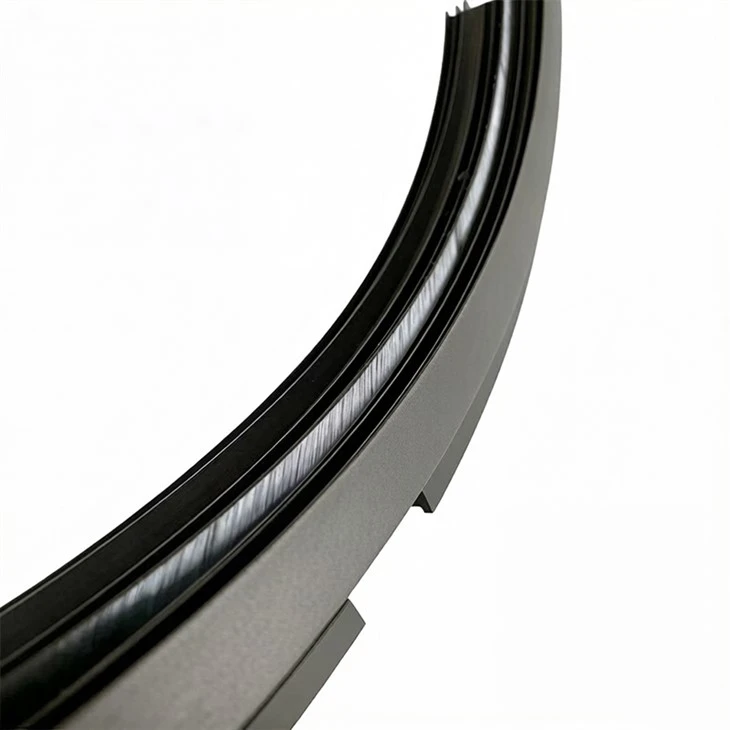
- Circular Brush Seal: Circular brush seals consist of a series of bristles that contact the rotating shaft to provide a seal. Lubrication for circular brush seals is important to reduce friction between the bristles and the shaft. The lubricant should be able to penetrate the brush structure and provide long - lasting lubrication. It should also be resistant to oxidation and thermal degradation.
- Turbine Seal Ring Assembly: Turbine seal ring assemblies are used to seal the gaps between the turbine rotor and the stator. These seals require a lubricant that can provide a smooth and continuous film between the seal rings and the mating surfaces. The lubricant should also be able to prevent the build - up of deposits and corrosion on the seal rings.
Best Practices for Lubrication of Turbine Gland Seals
- Proper Lubricant Selection: Based on the operating conditions and the type of turbine gland seal, select a lubricant that meets all the requirements mentioned above. Consult with lubricant manufacturers or experts if necessary.
- Regular Lubricant Analysis: Conduct regular lubricant analysis to monitor the condition of the lubricant. This can help to detect early signs of degradation, contamination, or wear. Based on the analysis results, take appropriate actions such as changing the lubricant or adjusting the lubrication system.
- Correct Lubrication System Design: Ensure that the lubrication system is properly designed to deliver the right amount of lubricant to the turbine gland seals at the correct pressure and temperature. The system should include filters, pumps, and coolers to maintain the quality of the lubricant.
- Training of Maintenance Personnel: Provide training to maintenance personnel on the proper lubrication procedures and the importance of lubrication for turbine gland seals. This can help to ensure that the lubrication system is operated and maintained correctly.
Conclusion
Proper lubrication of turbine gland seals is essential for the reliable and efficient operation of turbines. By understanding the requirements for lubrication, selecting the right lubricant, and following best practices, you can extend the service life of the seals, improve their sealing performance, and reduce the risk of turbine downtime.
If you are in the market for high - quality turbine gland seals or need more information about their lubrication requirements, we are here to help. Our team of experts can provide you with customized solutions and technical support to meet your specific needs. Contact us today to start a discussion about your turbine gland seal requirements and explore how we can assist you in achieving optimal turbine performance.
References
- "Turbine Technology Handbook" by A. S. Rao
- "Lubrication Fundamentals" by Bernard J. Hamrock